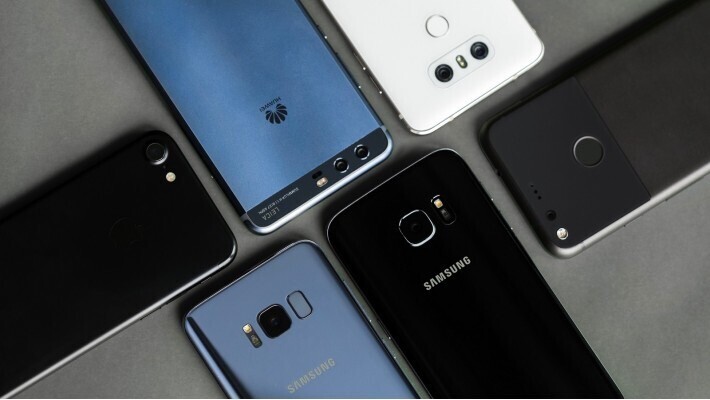
Smartphones have come a long way, haven’t they? They’ve evolved from bulky gadgets into sleek, powerful devices that fit perfectly in the palm of your hand. These days, picking the right smartphone often boils down to the brand behind it. Brands hold sway, becoming almost an extension of our identities.
Central to all this is branding, the secret sauce that adds value beyond the mere product. A brand isn’t just a name slapped on a device; it’s a testament to trust, innovation, and customer loyalty. When you pick up a phone from a top brand, you’re buying more than just a device—you’re buying a piece of that brand’s reputation and promise.
Who are the big names shaping 2025’s smartphone landscape? Companies like Apple, Samsung, and newcomers fueled by innovation are the ones to watch. These brands are expected to change the game, bringing cutting-edge technology to the forefront and setting new standards of excellence in the industry.
The Strategic Significance of Intangible Assets
 When we talk about the real value of big companies, it’s not just about what’s physically there – like buildings or machinery. We’re diving into things you can’t touch, like brands, patents, and the genius ideas that come out of research and development.
Imagine a treasure chest filled with intangible assets. Globally, this ‘treasure’ is worth a whopping $80 trillion in 2025. These assets are like magic ingredients that boost a company’s value and make it shine in the market.
Brands play a big role here. They’re not just about colors and logos. A strong brand can sway consumer choices and build loyalty while signaling trust and quality. Brands, along with other intangible assets, are essential for companies looking to stand out in the crowded smartphone space.
Valuing these intangibles isn’t straightforward. It’s subjective, kind of like art. Everyone sees it a bit differently. Yet, even with this subjectivity, there’s no denying that brands and their intangible siblings are heavy hitters in today’s capital markets.
In the ever-evolving world of smartphones, understanding the impact of these assets can give companies an edge. It’s about leveraging brands to convert them into a powerful source of value, ultimately affecting their market position and growth potential.
Methodology Behind Brand Valuations
 Ever wondered how they figure out which brands are the most valuable? It’s not just about guessing. There’s a whole methodology behind it, like a recipe for a complex dish.
Brand Finance, a leader in brand valuation, digs deep to evaluate which brands pack the biggest punch. They look at how much profit the brand alone brings in, which includes not just the core company but also its subsidiaries.
The secret ingredients? Brand strength, brand equity, and brand investment. These factors help paint a clear picture of a brand’s overall worth and its market impact.
To get a global perspective, Brand Finance collected survey responses from a whopping 175,000 people worldwide. It’s this kind of detailed feedback that helps ensure their analysis isn’t just top-down, but tuned into global perceptions.
This thorough approach provides a reliable ranking of brands, giving us insights into their current standing and potential trajectory. Understanding this helps companies strategize – spotting areas they excel in and where they need to step up their game.
Ranked: Leading Smartphone Brands and Their Trajectories
 2025’s smartphone brand lineup isn’t just about who’s at the top but also about how they got there and where they’re headed next. Apple, as usual, is holding the crown with its impressive brand value. Their magic comes from a blend of innovation, design, and an ever-loyal fan base. Even with some bumps like the 2024 iPhone sales slowdown, they continue to score big.
Right up there with Apple are other giants like Microsoft and Samsung. Microsoft, surprisingly, isn’t usually in the smartphone limelight, but their dedicated ecosystem investments have shot them up the ranks. Samsung remains a staple, thanks to consistent reinventions and tech-savvy moves.
Nvidia’s story is quite the showstopper. They leaped into the top ranks with a brand value surge, driven heavily by the AI boom and their cutting-edge chips. This rise isn’t mere luck; it’s crafted on a foundation of strong product demand and strategic positioning in tech-forward industries.
Besides the usual suspects, the list sees a notable entry from TikTok. It has capitalized on youthful brand engagement and social media presence to solidify its spot.
While US brands dominate the scene, TikTok and other Chinese brands like Temu are giving them a run for their money. It’s a sign of changing times, where competition pushes innovation. Companies are now not just improving products but also crafting a strong brand image to stay relevant.
Future Trends and Challenges Ahead
 Looking forward, the smartphone industry is poised for more exciting twists and turns. Brands will need to keep their eyes peeled for emerging trends that could redefine the market landscape.
AI and machine learning are no longer buzzwords but essential tools. Future phones are likely to integrate more smart functionalities, making our digital experiences seamless. Nvidia leverages AI power, showing how embracing tech trends can push a brand forward.
Sustainability is another key trend. Consumers are becoming more eco-conscious, and smartphone brands can’t ignore it. From environmentally friendly materials to fair trade practices, brands investing in green initiatives may not only win consumer trust but also lead the charge in sustainable tech innovation.
Challenges aren’t far behind these opportunities. The competition will only heat up, with new players entering the scene and existing ones striving to innovate faster and better. Brands like Apple and Samsung can’t afford to rest on their laurels, even with strong brand equity.
Keeping that brand-appeal alive isn’t just about launching a fantastic product. It’s about building relationships, nurturing brand trust, and staying agile to market shifts. Being a step ahead in predicting consumer needs is key, ensuring brands remain as dynamic and impactful as ever.
About the Author